- November 25, 2025
- admin
- 0
1. Understanding Modern Hearing Aids: How They Improve Your Daily Life
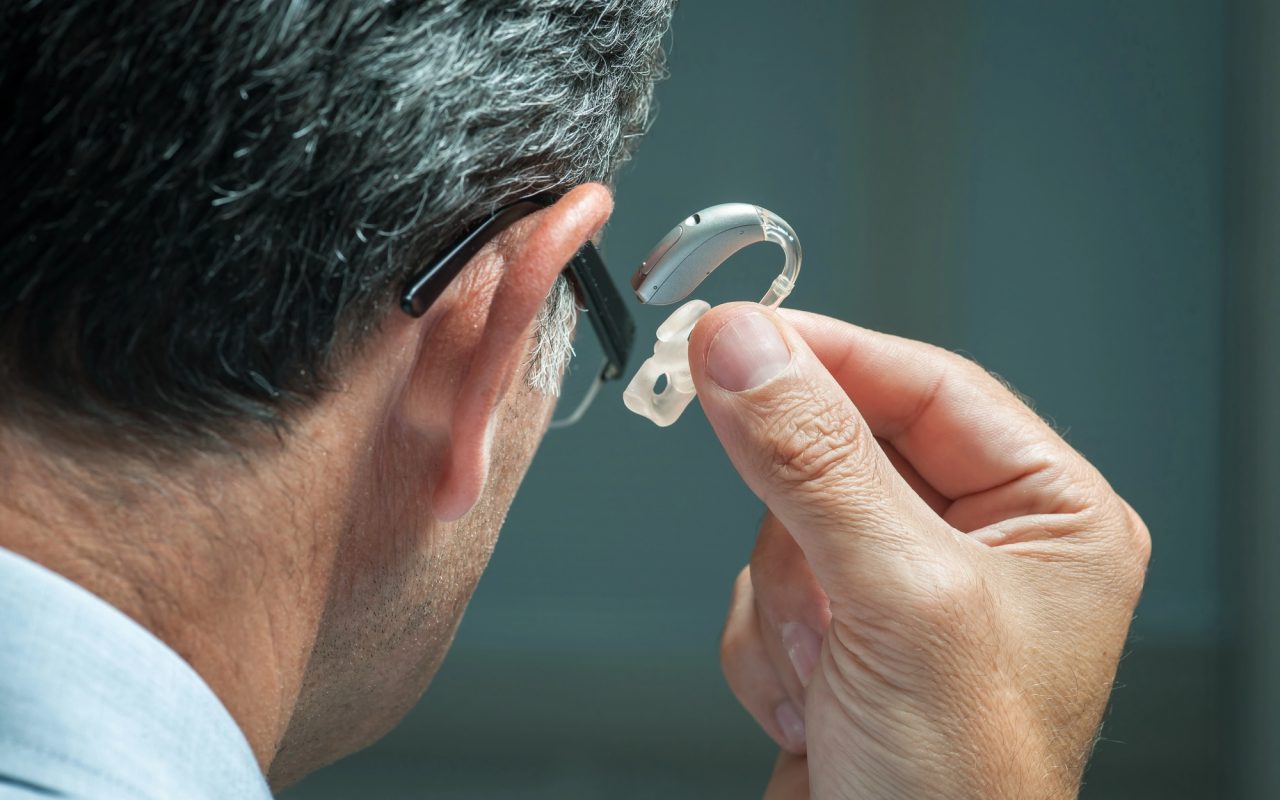
Modern hearing aids are more advanced, comfortable, and effective than ever before. For people experiencing hearing loss, today’s digital devices offer life-changing improvements in clarity, communication, and confidence. Unlike older bulky machines, the latest hearing aids are compact, powerful, and equipped with smart technologies like Bluetooth connectivity, noise reduction, rechargeable batteries, and AI-powered sound processing. These innovations help users enjoy conversations, work meetings, phone calls, music, and daily interactions without stress or strain.
Thank you for reading this post, don't forget to subscribe!One of the most significant advantages of modern hearing aids is their ability to adapt to different environments. Whether you are in a quiet room, a crowded market, or a busy office space, the device automatically adjusts volume levels and filters background noise. This ensures better clarity and a natural listening experience. Additionally, many models come with directional microphones that focus on the sound in front of you, making conversations easier even in noisy places.
Bluetooth-enabled hearing aids have become extremely popular, especially among younger users. These devices can directly connect to smartphones, TVs, laptops, and music systems. This means you can listen to calls, movies, or songs without any external headphones—your hearing aids act as wireless earbuds. rechargeable hearing aids have also become a game-changer, eliminating the need to constantly buy and replace batteries. A simple overnight charge provides full-day usage, making them cost-effective and convenient.
Comfort is another important factor. Today’s machines are lightweight, sleek, and designed to fit comfortably behind or inside the ear. They are also available in different sizes and styles depending on your hearing needs. Many users often forget they’re even wearing one. Advanced hearing aids also include tinnitus masking features, helpful for people dealing with constant ear ringing. These soothing sound programs reduce stress and improve sleep quality.
Overall, modern hearing aids are not just amplifiers—they are smart hearing solutions that improve quality of life. If you or a loved one is facing difficulty hearing, getting a proper hearing test and selecting an ideal digital hearing aid can help you reconnect with the world, rebuild communication, and regain confidence in everyday life.
2. Why Regular Hearing Tests Are Important for Your Ear Health
Hearing health is often ignored until the problem becomes severe. Most people visit eye specialists or general doctors regularly, but hearing check-ups are rarely considered. However, hearing loss is a gradually developing condition, and regular hearing tests can help detect issues early and prevent long-term damage. A hearing test is simple, painless, and can be completed in just 15 to 20 minutes. It helps specialists understand your ear condition, sound perception levels, and whether you need treatment, therapy, or hearing aids.
One of the biggest advantages of early testing is early detection. Many people do not realize they are losing their hearing because the symptoms start subtly—asking people to repeat words, increasing TV volume, difficulty hearing in crowded areas, or missing soft sounds. By ignoring these signs, the hearing nerves may weaken further. Regular testing ensures that any decline is caught early, preventing the condition from worsening.
Hearing tests are also essential for children, working professionals, and senior citizens. Children might struggle in school if they cannot hear clearly, leading to speech delays or learning difficulties. Working adults exposed to loud environments—construction, factories, traffic, music systems—are also at high risk of early hearing damage. Senior citizens naturally face hearing decline due to aging, but proper assessment and treatment can significantly improve their communication and emotional well-being.
Another important reason to get hearing tests done is to detect medical conditions like infections, wax blockages, nerve damage, or balance issues related to the inner ear. In many cases, the problem can be treated with simple medication or minor procedures without the need for a hearing aid. Regular check-ups help monitor ear health and prevent complications.
Most experts recommend getting a hearing test once every year, especially if you are above 40 or work in a noisy environment. Taking care of your hearing today can protect you from future difficulties. Early testing, timely treatment, and proper care ensure that you maintain healthy hearing throughout your life.
3. Vestibular Assessment & Its Role in Diagnosing Balance Problems
The vestibular system, located in the inner ear, plays a major role in maintaining balance. When this system is affected, it can lead to dizziness, vertigo, imbalance, nausea, unsteady walking, and frequent falls. Many people mistakenly assume these symptoms are related to weakness or blood pressure, but in many cases, the real cause lies inside the ear. A vestibular assessment is a detailed evaluation that helps diagnose the exact reason behind balance problems and guides the right treatment approach.
Vestibular assessments include several painless tests that monitor eye movement, ear function, and body coordination. These tests help determine how well the inner ear is sending signals to the brain. When these signals are disrupted due to infection, nerve issues, trauma, aging, or disorders like BPPV (Benign Paroxysmal Positional Vertigo), the person may feel spinning sensations or imbalance. The assessment helps identify the affected ear and the severity of the condition.
One of the most common balance disorders is BPPV, caused by crystals in the inner ear shifting from their natural position. A proper vestibular test can diagnose this condition quickly, and treatment can often be completed within minutes using simple repositioning maneuvers. Other conditions, like vestibular neuritis or Meniere’s disease, require medication, therapy, and long-term monitoring, which becomes easier after an accurate assessment.
A vestibular evaluation is also helpful for elderly individuals who frequently fall or feel unsteady while walking. Early diagnosis can prevent injuries and improve their mobility. People recovering from viral infections, head injuries, or ear diseases can also benefit from this assessment to regain balance and stability. Once the problem is identified, specialists may recommend vestibular rehabilitation therapy, exercises, medications, or lifestyle changes to restore proper balance.
If you experience dizziness, sudden imbalance, motion sensitivity, or spinning sensations, a vestibular assessment can help find the root cause. Timely diagnosis not only improves balance but also enhances confidence and safety in daily life.