

- November 22, 2025
- admin
- 0
Why Regular Hearing Tests Are Important for Your Ear Health
Hearing is one of the most essential senses for communication, social interaction, safety, and overall well-being. Yet, unlike eye checkups or general health checkups, most people do not go for routine hearing tests. Hearing loss is usually a slow and silent process, and because the symptoms appear gradually, people often do not recognize the decline until the condition becomes severe. This is why regular hearing tests play a crucial role in maintaining healthy ears and preventing long-term damage.
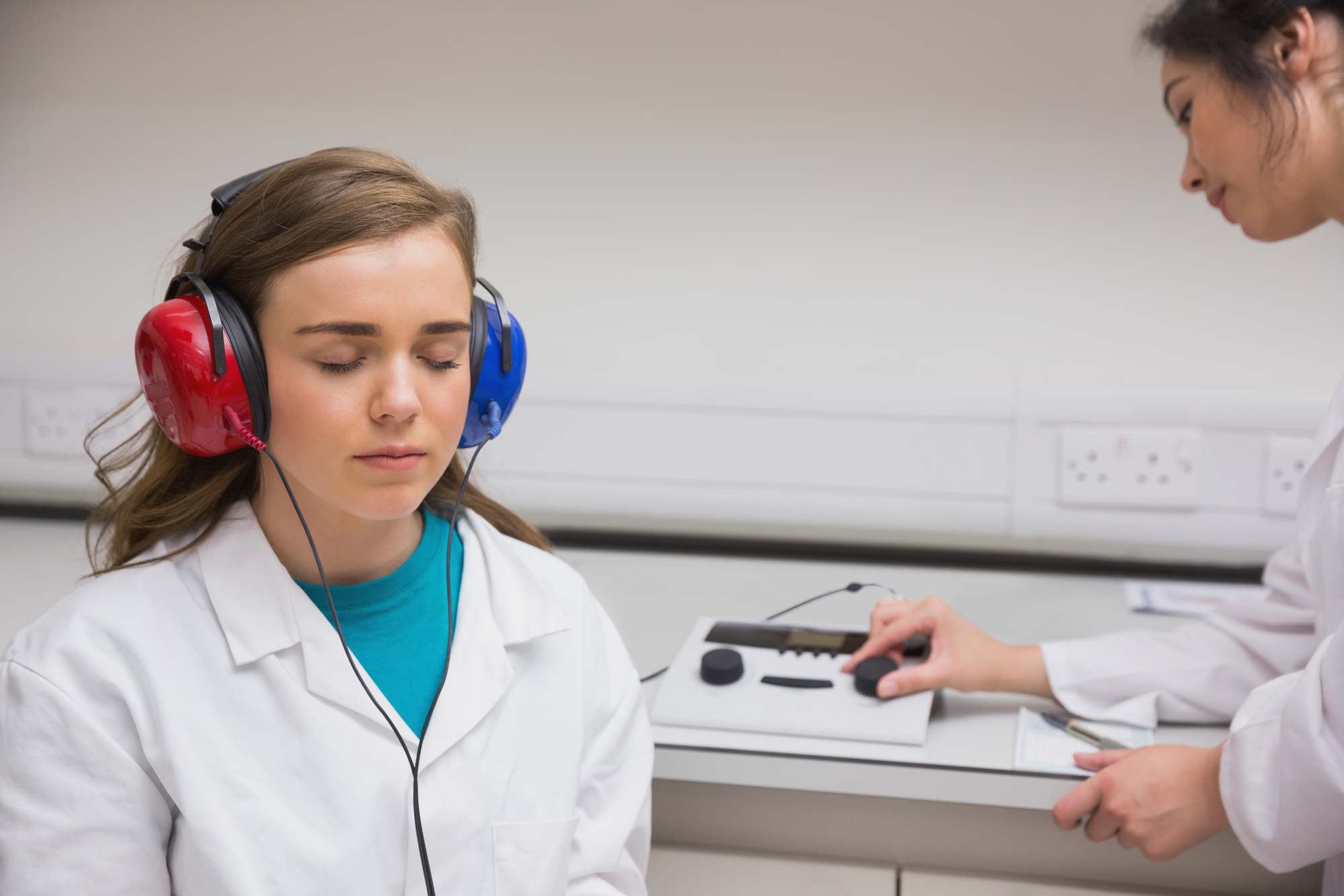
A hearing test is a simple, painless, and highly accurate procedure that assesses your ability to hear different sounds, frequencies, and speech clarity. The test gives complete information about your ear’s condition and helps specialists determine whether you need medical treatment, therapy, or hearing aids. Since hearing problems can affect people of all ages—children, adults, and seniors—it is essential to understand why regular hearing checkups are important.
One of the biggest reasons to get your hearing tested regularly is early detection. Hearing loss does not happen overnight; it develops gradually. At first, you might feel that others are speaking softly, or you may ask people to repeat themselves. You might increase the volume of your TV or phone or feel difficulty hearing in crowded places. Most people ignore these early signs, thinking it is just temporary. However, ignoring early symptoms allows the hearing nerves to weaken further, making the condition more difficult to treat later.
Early detection through regular tests ensures quick action. If a problem is identified early, hearing specialists can recommend simple solutions such as earwax removal, medication, minor procedures, or mild hearing aids. Many ear issues—like infections, blockages, and temporary nerve weakness—are fully treatable when diagnosed in time. Without testing, these issues may get worse and lead to permanent hearing loss.
Regular hearing tests are especially important for children. Kids who cannot hear clearly may struggle with speech development, learning abilities, and classroom performance. Sometimes parents assume their child is not paying attention, but the real issue may be undiagnosed hearing difficulty. A routine hearing evaluation helps identify such problems early and allows timely treatment, ensuring healthy speech and cognitive development.
For working professionals, hearing tests are equally important. People who work in noisy environments—like construction sites, traffic zones, factories, workshops, or music-related fields—are at high risk of noise-induced hearing loss. Prolonged exposure to loud sounds can damage the inner ear permanently. A yearly hearing assessment helps track your ear health and ensures that necessary safety measures or treatments are provided before the damage becomes irreversible.
Senior citizens naturally experience hearing decline due to aging. This condition, known as presbycusis, affects millions of people worldwide. Regular hearing tests help seniors stay socially active and emotionally healthy. Untreated hearing loss in older adults can lead to frustration, isolation, depression, and even memory problems. Studies have shown that untreated hearing loss increases the risk of cognitive decline. With regular testing, seniors can get timely solutions such as hearing aids, therapy, and balance assessments that improve their quality of life.
Another important reason to get routine hearing tests is the early identification of infections or medical conditions related to the ear. Many people suffer from ear infections, allergies, or sinus issues without realizing that these problems can affect hearing. Inner ear problems can also affect balance, causing dizziness or vertigo. A hearing test helps specialists diagnose such issues accurately and recommend the right treatment. In some cases, a hearing test may even detect serious medical conditions that require immediate attention.
Modern hearing tests use advanced technology to evaluate sound perception, nerve response, and speech clarity. These tools provide detailed reports that help specialists understand the exact type and level of hearing loss. With accurate diagnosis, the specialist can recommend the ideal solution—be it medication, therapy, or digital hearing aids. Many people feel stressed at the thought of testing, but the process is quick, comfortable, and completely non-invasive.
Digital hearing aids, recommended after proper testing, have become extremely advanced today. They are not like old-fashioned machines; instead, they are small, stylish, and equipped with smart features like noise reduction, Bluetooth connectivity, automatic adjustments, and rechargeable batteries. When fitted correctly after a professional hearing test, these devices provide natural sound clarity and help users regain confidence in conversations and daily activities.
A hearing test is also essential for people who experience symptoms like ringing in the ears (tinnitus), sudden hearing drops, or sensitivity to certain sounds. These symptoms may indicate underlying conditions that need attention. Regular checkups help track changes, identify patterns, and guide specialists toward the most effective therapy.
Experts recommend that adults above the age of 40 should get their hearing tested at least once every year. Individuals who frequently use headphones, work in noisy environments, or already have mild hearing problems should get checked every 6 to 12 months. Early care, monitoring, and proper treatment protect your ears from future damage and ensure long-term hearing wellness.
In conclusion, hearing tests are a vital part of your overall health. Just like routine dental or eye checkups, hearing checkups should be a regular habit. They help detect issues early, prevent permanent damage, improve communication, and maintain emotional well-being. Whether you are a child, an adult, or a senior, taking care of your hearing today ensures a healthier, more confident, and more connected tomorrow.